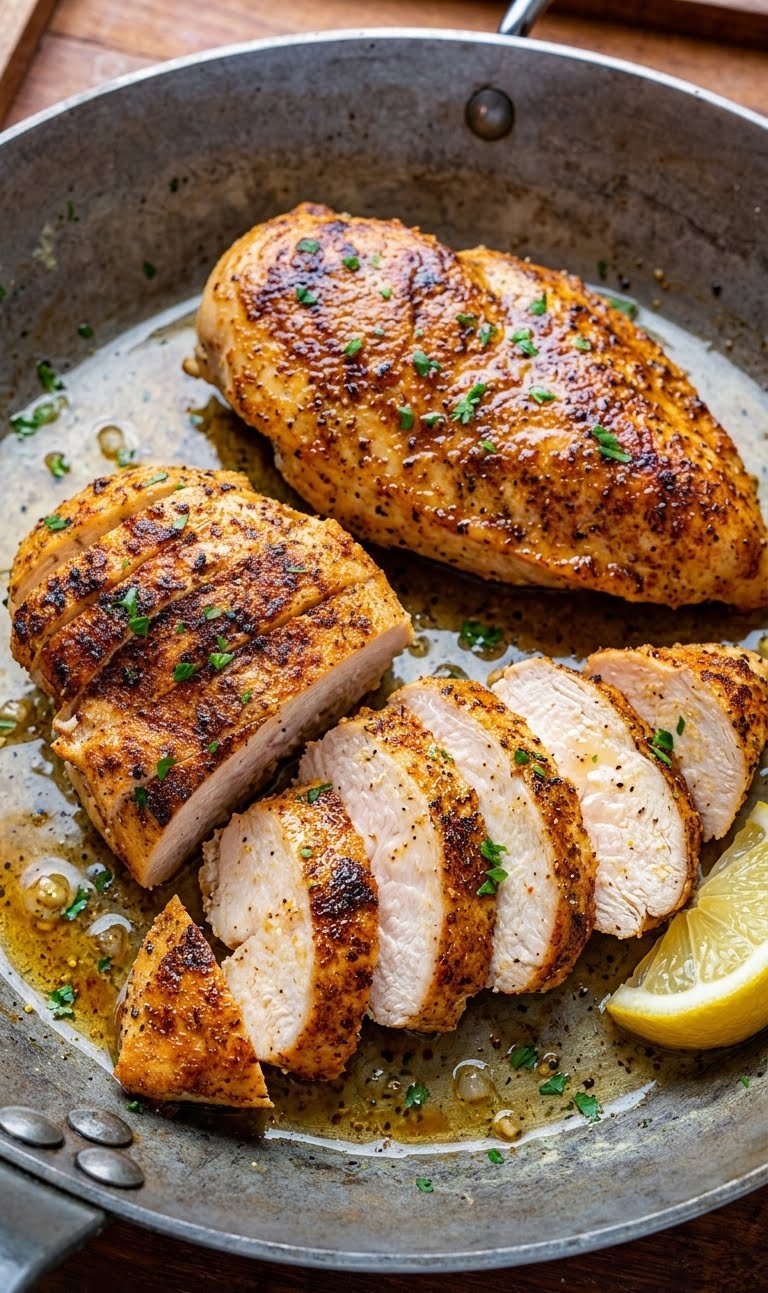

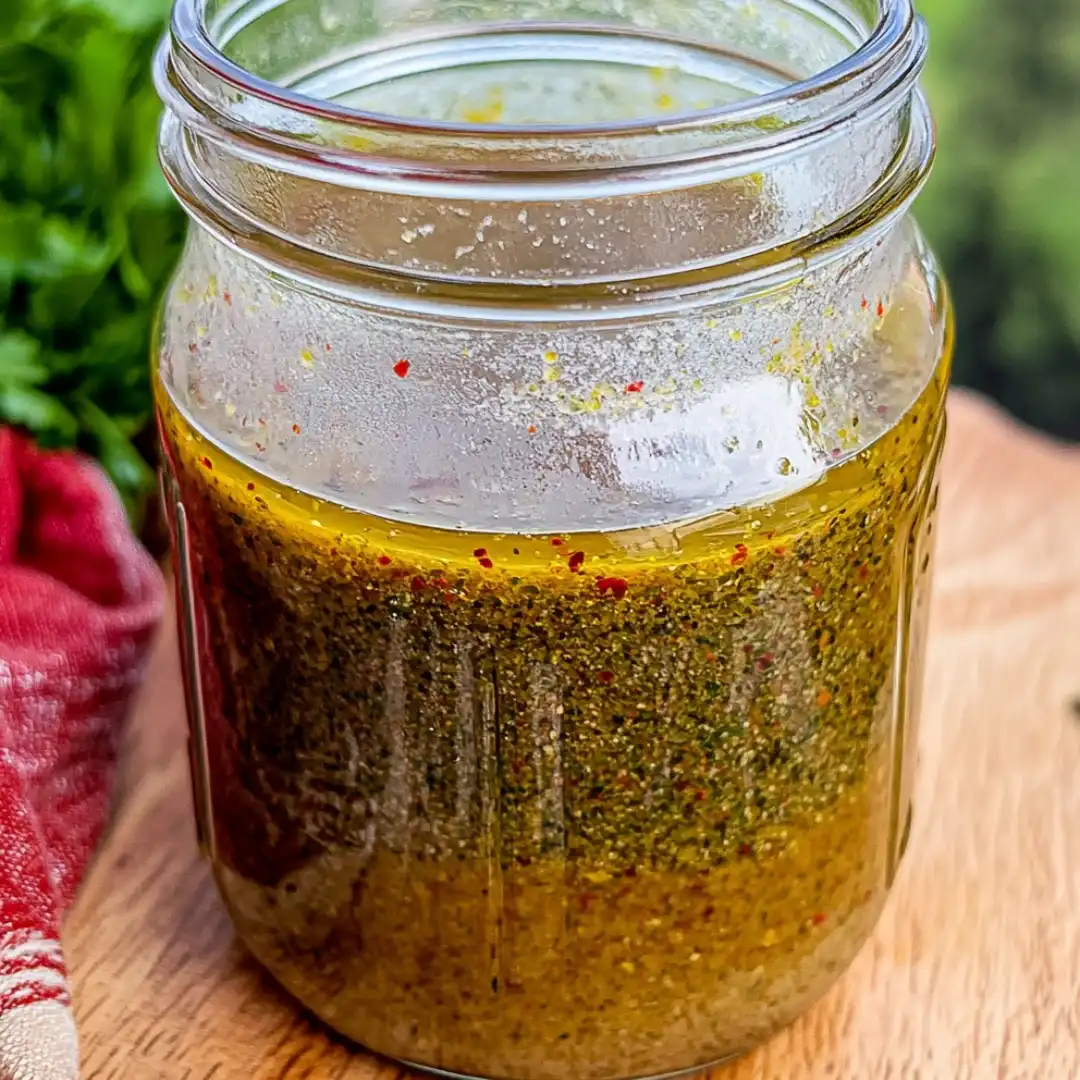
Imagine drizzling a vibrant, tangy dressing over a crisp salad, instantly transforming it into a flavor-packed dish. That’s the magic of Italian Dressing, a beloved North American condiment known for its herbaceous, zesty profile. While its name suggests Mediterranean roots, this dressing is an American creation, born from the ingenuity of Italian immigrants. I first fell in love with homemade Italian dressing at a family picnic, where my aunt’s version—bursting with fresh herbs and a perfect balance of tart and savory—outshone any store-bought bottle. Inspired by that memory, this recipe captures the essence of a classic Italian dressing with a customizable twist.
This Italian Dressing recipe, is a quick, 5-minute wonder that delivers bold flavor with pantry staples. Whether you’re tossing it with greens, marinating chicken, or dipping breadsticks, it’s a versatile addition to your kitchen. With options to adjust acidity, add creaminess, or incorporate fresh ingredients, you can make it your own. Ready to elevate your meals with a homemade touch? Let’s dive in!
PrintHomemade Italian Dressing
An easy and tasty homemade Italian style salad dressing, ready in just 5 minutes!
- Prep Time: 5 minutes
- Cook Time: 0 minutes
- Total Time: 5 minutes
- Yield: 16 1x
- Category: Condiment
- Method: No Cook
- Cuisine: American
- Diet: Vegetarian
Ingredients
- 1/2 cup extra virgin olive oil
- 1/2 cup red wine vinegar
- 2 teaspoons Dijon mustard (optional)
- 1 teaspoon honey (or sugar) (optional)
- 1 teaspoon dried oregano
- 1/2 teaspoon dried basil
- 1/2 teaspoon dried parsley
- 1/2 teaspoon powdered garlic
- 1/2 teaspoon powdered onion
- 1/2 teaspoon salt
- 1/2 teaspoon pepper
- 1/2 teaspoon red pepper flakes (optional)
- 2 tablespoons Parmigiano Reggiano (Parmesan cheese), grated (optional)
Instructions
- Step 1: Combine Ingredients In a small bowl or mason jar, add 1/2 cup extra virgin olive oil, 1/2 cup red wine vinegar, 2 teaspoons Dijon mustard (if using), 1 teaspoon honey (if using), 1 teaspoon dried oregano, 1/2 teaspoon dried basil, 1/2 teaspoon dried parsley, 1/2 teaspoon powdered garlic, 1/2 teaspoon powdered onion, 1/2 teaspoon salt, 1/2 teaspoon pepper, 1/2 teaspoon red pepper flakes (if using), and 2 tablespoons grated Parmigiano Reggiano (if using).
- Step 2: Mix Well
-
Bowl Method: Whisk vigorously with a fork or whisk for about 30 seconds until the ingredients are fully combined and emulsified.
-
Jar Method: Seal the jar tightly and shake vigorously for 30 seconds to blend the ingredients thoroughly.
- Step 3: Taste the dressing and adjust the oil-to-vinegar ratio, salt, or sweetness to your preference. For a milder flavor, add more olive oil; for extra tang, increase the vinegar.
- Step 4: Transfer to an airtight container or keep in the mason jar. Refrigerate and use within a week, shaking well before each use to recombine the ingredients.
Notes
- Adjust the oil-to-vinegar ratio to taste (1:1 for acidic, 2:1 for milder).
- Dijon mustard aids emulsification but can be omitted.
- Store in a sealed container in the fridge for up to a week; shake before use.
- Variations: Use white wine vinegar, lemon juice, Italian seasoning, pecorino, roasted red bell pepper, sundried tomatoes, fennel seeds, mayonnaise, fresh garlic, or fresh parsley.
Allergy Information: Contains dairy (optional Parmesan). Check mustard and honey for allergens. Verify with product labels for safety
Nutrition
- Serving Size: 1 tablespoon
- Calories: 68kcal
- Sugar: 0.4g
- Sodium: 39mg
- Fat: 7g
- Saturated Fat: 1g
- Trans Fat: 0g
- Carbohydrates: 0.6g
- Fiber: 0g
- Protein: 0.4g
- Cholesterol: 0.8mg
Why You’ll Love This Recipe
-
Lightning Fast: Ready in just 5 minutes, perfect for busy days.
-
Fully Customizable: Tweak the oil-to-vinegar ratio, sweetness, or spice to suit your taste.
-
Versatile Uses: Ideal for salads, marinades, pasta salads, or as a dipping sauce.
-
Healthier Choice: Made with extra virgin olive oil and no artificial additives, unlike many store-bought versions.
-
Rich Heritage: Reflects the Italian-American culinary tradition, adding a story to every drizzle.
Equipment Needed
-
Small bowl or mason jar with lid
-
Whisk or fork (for bowl method)
-
Measuring cups and spoons
-
Airtight container for storage
Tips and Variations
Tips for Success
-
Quality Olive Oil: Use a high-quality extra virgin olive oil for a rich, fruity flavor.
-
Emulsification: Dijon mustard helps the oil and vinegar stay blended longer. If skipping mustard, shake vigorously before serving to re-emulsify.
-
Adjust Acidity: The 1:1 oil-to-vinegar ratio in this recipe is more acidic than the typical 2:1 ratio. Adjust to taste for a milder or sharper dressing.
-
Freshness: Use within a week for optimal flavor, as the herbs and garlic may lose potency over time.
-
Shake Before Use: Ingredients naturally separate in the fridge; a quick shake ensures a consistent texture.
Variations
-
Vinegar Swap: Replace red wine vinegar with white wine vinegar or fresh lemon juice for a brighter, citrusy note.
-
Italian Seasoning Blend: Substitute dried oregano, basil, and parsley with 2 teaspoons of your favorite Italian seasoning blend for convenience.
-
Cheese Alternatives: Use pecorino or asiago instead of Parmesan for a different cheesy flavor.
-
Vegetable Add-Ins: Add 1 tablespoon finely chopped roasted red bell pepper or sundried tomatoes for color and depth.
-
Spicy Kick: Include 1/2 teaspoon ground fennel seeds for a subtle licorice note.
-
Creamy Version: Stir in 2 tablespoons mayonnaise for a richer, creamier dressing.
-
Fresh Herbs and Garlic: Use 2 cloves of minced garlic and 2 tablespoons fresh chopped parsley for a fresher, more vibrant taste.
Nutrition Facts
-
Serving Size: 1 tablespoon
-
Calories: 68 kcal
-
Fat: 7g (Saturated 1g, Trans 0g)
-
Cholesterol: 0.8mg
-
Sodium: 39mg
-
Carbohydrates: 0.6g (Fiber 0g, Sugars 0.4g)
-
Protein: 0.4g
Serving Suggestions
-
Classic Salad: Toss with mixed greens, cherry tomatoes, cucumbers, red onions, and olives for a traditional Italian salad.
-
Pasta Salad: Drizzle over a cold pasta salad with mozzarella, pepperoni, and bell peppers for a zesty twist.
-
Marinade: Marinate chicken, beef, pork, or tofu for 2-4 hours before grilling or roasting for enhanced flavor.
-
Dipping Sauce: Serve with warm breadsticks, crudités, or grilled vegetables as a flavorful dip.
-
Sandwich Enhancer: Use as a spread for Italian subs or paninis, adding a tangy kick to meats and cheeses.
The History of Italian Dressing
Despite its name, Italian dressing is not a traditional Italian condiment. In Italy, salads are typically dressed at the table with a simple mix of olive oil, vinegar or lemon juice, and salt. The North American version, known for its premixed vinaigrette style, is an Italian-American invention that emerged in the early 20th century. Two key figures are credited with its creation:
-
Ken’s Steak House: In 1941, Florence Hanna, wife of restaurateur Ken Hanna, developed a dressing for their Framingham, Massachusetts restaurant. Its popularity led to the creation of Ken’s Salad Dressings, now available in multiple flavors (Wikipedia).
-
Wish-Bone Restaurant: In 1948, Phillip Sollomi and his mother Lena served a dressing at their Kansas City, Missouri restaurant. This became the foundation for the Wish-Bone brand.
These dressings, blending olive oil, vinegar, and Italian herbs like oregano and basil, reflect the culinary traditions of Italian immigrants adapted to American tastes. Today, Italian dressing is a versatile staple, used not only for salads but also as a marinade, in pasta salads, and as a sandwich enhancer.
Frequently Asked Questions
What is Italian dressing made of?
Italian dressing typically includes olive oil, vinegar (often red or white wine), herbs like oregano, basil, and parsley, garlic, onion, salt, and pepper. This recipe adds optional Dijon mustard for emulsification, honey for sweetness, red pepper flakes for heat, and Parmesan for umami.
Is Italian dressing actually Italian?
No, Italian dressing is an American invention, not used in Italy. It was developed by Italian-American restaurateurs like Florence Hanna and Phillip Sollomi in the mid-20th century, inspired by Italian flavors but adapted for American palates (Wikipedia).
Can I make Italian dressing without vinegar?
Yes, replace vinegar with fresh lemon juice for a citrusy alternative. Adjust the quantity to maintain the desired tanginess.
How long does homemade Italian dressing last?
Store in an airtight container in the refrigerator for up to a week. Shake well before each use to recombine ingredients.
Can I make a creamy Italian dressing?
Add 2 tablespoons of mayonnaise to create a creamy version.
What can I use Italian dressing for besides salads?
Use it as a marinade for meats or vegetables, a dressing for pasta salads, a dipping sauce for breadsticks or crudités, or a spread for sandwiches.
Conclusion
This Italian Dressing recipe is a quick, versatile way to bring bold, zesty flavor to your meals. With its simple preparation and endless customization options, it’s a healthier, fresher alternative to store-bought versions. Whether you’re dressing a salad, marinating chicken, or dipping veggies, this homemade condiment will elevate your dishes with ease. Try it out, share your creations in the comments, and PIN THIS RECIPE for your next culinary adventure!