
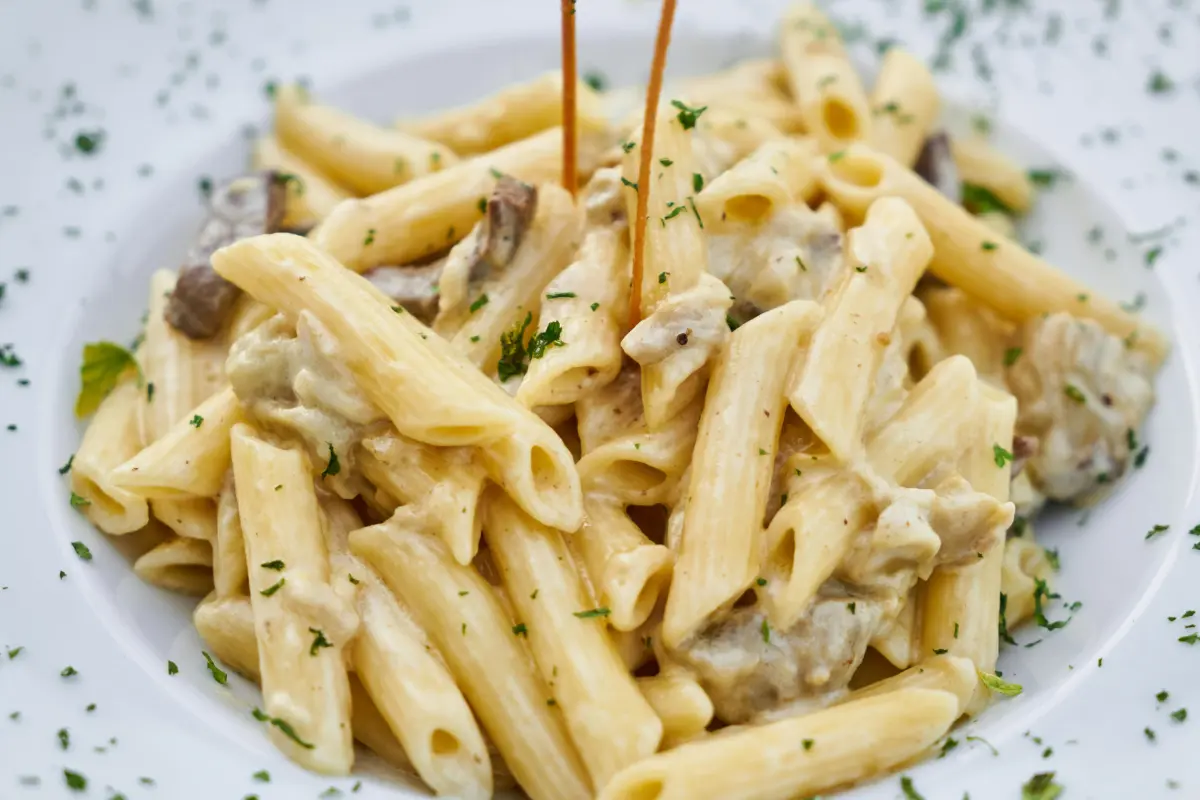
In the culinary world, a revolution has been simmering, bringing joy to those who once thought their dietary restrictions meant missing out on life’s simpler pleasures. Among these, the quest for the perfect gluten-free pasta stands out—a journey that combines tradition with innovation to create dishes so delightful, they defy the constraints of gluten intolerance. This article embarks on a comprehensive exploration of gluten-free pasta, from the basics of crafting your dough to the secrets behind those irresistibly tasty sauces. Whether you’re navigating the challenges of celiac disease, embracing a gluten-sensitive lifestyle, or simply curious about this culinary trend, you’re in for a treat. So, let’s dive into the art and science of gluten-free pasta, ensuring your kitchen becomes a haven for all things delicious and wheat-free.
Introduction to Gluten-Free Pasta
Why Gluten-Free?
In recent years, the spotlight on gluten and its effects has intensified, with a growing awareness around conditions like celiac disease and wheat allergy. For many, the transition to a gluten-free diet isn’t a choice but a necessity. Yet, this shift opens up a world of culinary creativity, especially when it comes to reimagining classic favorites like pasta.
The Rise of Gluten-Free Pasta
Once a niche market, gluten-free pasta has surged in popularity, thanks to advancements in cooking science and a better understanding of gluten-free ingredients. This renaissance has not only made pasta dishes more accessible but has also elevated them to new heights of flavor and texture. The key? A blend of alternative flours and the magic of traditional Italian pasta-making techniques, tailored for those who thought they’d never enjoy a forkful of spaghetti again.
Crafting gluten-free pasta that rivals its wheat-based counterpart is no small feat. It requires a delicate balance of ingredients and a touch of culinary finesse. But fear not! With the right guidance, anyone can master this art, turning simple meals into gourmet experiences that everyone at the table can savor, regardless of dietary restrictions.
As we embark on this journey together, we’ll uncover the secrets to making exquisite gluten-free pasta from scratch, explore the best flour blends for achieving that perfect al dente texture, and even delve into the world of sauces that complement your pasta like a dream. So, roll up your sleeves and get ready to transform your kitchen into an Italian grandmother’s, where love, tradition, and a pinch of innovation come together to create dishes that warm the heart and delight the palate.
Ingredients and Equipment
Embarking on the gluten-free pasta journey, one quickly realizes it’s not just about substituting wheat flour with a gluten-free alternative. It’s about understanding the unique properties of each flour and how they come together to mimic the texture and taste of traditional pasta. Let’s dive into the essentials that will set the foundation for your gluten-free pasta masterpiece.
Ingredients for Gluten-Free Pasta
Choosing the Right Gluten-Free Flours
The cornerstone of any great gluten-free pasta is the flour blend. A harmonious mix can create a dough that’s both pliable and tasty, closely resembling its wheat-based counterpart. The most popular flours include:
- Fine White Rice Flour: A staple in gluten-free baking, offering a neutral taste and smooth texture.
- Tapioca Starch: Brings elasticity to the dough, allowing it to stretch without breaking.
- Glutinous Rice Flour: Despite its name, it’s gluten-free! It adds chewiness, mimicking the bite of traditional pasta.
- Sorghum Flour: Rich in protein, it provides structure and a hint of whole grain flavor.
- Millet Flour: Another protein-rich flour, contributing to the dough’s firmness and nutritional profile.
Blending these flours in the right proportions is crucial. A general rule of thumb is a 75% starch to 25% protein ratio, ensuring the dough has enough elasticity and firmness. Remember, the quest for the perfect blend might require a bit of experimentation, but the results are well worth the effort.
Essential Ingredients for the Perfect Dough
Beyond flour, a few key ingredients are essential for gluten-free pasta dough:
- Xanthan Gum: This is the glue that holds your pasta together, providing the necessary binding properties in the absence of gluten.
- Eggs: They add moisture, richness, and structure, making the dough easier to work with.
- Salt: A pinch of salt enhances the flavor of the pasta, making it anything but bland.
Equipment Needed
Must-Have Tools for Homemade Pasta
While you don’t need a kitchen full of gadgets to make gluten-free pasta, a few tools can make the process smoother and more enjoyable:
- Pasta Machine: Though not strictly necessary, a pasta machine ensures uniformly thin pasta, elevating the texture of your final dish.
- Rolling Pin: For those who prefer a more hands-on approach or don’t have a pasta machine, a rolling pin does the job just fine.
- Mixing Bowls: Essential for blending your flours and other ingredients.
- Knife or Pasta Cutter: To shape your pasta by hand if you’re not using a machine.
With your ingredients and equipment at the ready, you’re all set to embark on the pasta-making process. Remember, making gluten-free pasta is as much about the journey as it is about the destination. So, take your time, enjoy the process, and get ready to revel in the fruits of your labor—a delicious, homemade pasta that everyone can enjoy.
The Recipe
Diving into the heart of gluten-free pasta making, we’re armed with the right flours and tools, ready to transform simple ingredients into culinary gold. This step-by-step guide will walk you through creating your very own gluten-free pasta from scratch, ensuring a dish that’s not only satisfying but also a testament to your newfound pasta prowess.
Preparing the Dough
- Mix the Dry Ingredients: In a large mixing bowl, whisk together your gluten-free flour blend, xanthan gum, and a pinch of salt. This mixture is the foundation of your pasta, so make sure it’s well combined.
- Add the Eggs: Create a well in the center of your dry ingredients and crack in your eggs. Using a fork, gently beat the eggs, gradually incorporating the flour mixture until a dough begins to form. This is where the magic starts—watching liquid and powder merge into something tangible and pliable.
- Knead the Dough: Once the dough starts coming together, dust your hands and work surface with a bit of tapioca starch and knead the dough. It should be firm yet slightly tacky to the touch. Knead for about 5-8 minutes, or until the dough is smooth and elastic. This step is crucial, as it ensures your pasta has that perfect al dente texture.
- Rest the Dough: Wrap your dough ball in cling film and let it rest at room temperature for about 30 minutes. This resting period allows the flours to fully hydrate and the xanthan gum to activate, making the dough easier to roll out.
Rolling and Cutting the Pasta
- Divide the Dough: After resting, divide your dough into manageable pieces. This makes it easier to roll out to the desired thickness, whether you’re using a pasta machine or a rolling pin.
- Roll the Dough: If using a pasta machine, start on the widest setting, passing the dough through several times, folding it over each time. Gradually decrease the setting, making the dough thinner with each pass. For those using a rolling pin, dust your surface with tapioca starch and roll the dough as thinly as possible, aiming for a thickness of about 1-2mm.
- Cut Your Pasta: Now for the fun part—shaping your pasta! Whether you’re craving fettuccine, tagliatelle, or lasagna sheets, use a knife or pasta cutter to slice your dough into your desired shapes. If you have a pasta machine with a cutter attachment, even better!
Cooking Instructions
- Boil Water: Bring a large pot of salted water to a rolling boil. The key to perfectly cooked gluten-free pasta is plenty of water, allowing the pasta to move freely without sticking.
- Cook the Pasta: Gently drop your pasta into the boiling water and stir once to ensure it doesn’t stick together. Gluten-free pasta cooks faster than traditional pasta, so keep an eye on it. It usually takes about 2-4 minutes, depending on the thickness.
- Taste Test: The best way to know if your pasta is done is to taste it. Look for a firm, al dente texture. Once it’s to your liking, drain the pasta but save a cup of the pasta water for your sauce.
- Serve Immediately: Gluten-free pasta is best enjoyed fresh, so toss it with your favorite sauce and serve it up right away. Remember, the pasta is the star of the show, so let it shine with a simple yet flavorful accompaniment.
Congratulations! You’ve just made homemade gluten-free pasta. This process, while detailed, is a labor of love—a testament to the beauty of gluten-free cooking and the joy it brings to the table. So, gather your loved ones, serve up your delicious creation, and bask in the glory of a meal made from scratch, with care, and without gluten.
Tips and Tricks
Mastering the art of gluten-free pasta making is an adventure, filled with trials, triumphs, and the joy of discovery. To help you navigate this journey with flair and finesse, here are some insider tips and tricks that will elevate your pasta game, ensuring every batch is as delightful as the last.
Achieving the Right Texture
- The Importance of Resting: Don’t skimp on resting your dough. This crucial step allows the flours to hydrate and the xanthan gum to work its magic, resulting in a dough that’s easier to handle and less likely to tear when rolled.
- Rolling to Perfection: Achieving the perfect thickness is key. Too thick, and your pasta will be doughy; too thin, and it might fall apart during cooking. Aim for a thickness of about 1-2mm, whether you’re using a pasta machine or a rolling pin. Remember, the pasta will expand slightly when cooked, so factor this into your desired thickness.
- Cooking Time is Crucial: Gluten-free pasta can go from perfectly al dente to overcooked in a matter of seconds. Start checking for doneness around the 2-minute mark, and be prepared to drain it as soon as it reaches your preferred texture.
Storage and Freezing Tips
- Storing Fresh Pasta: If you’re not cooking your pasta right away, sprinkle it lightly with rice flour to prevent sticking and lay it out on a baking sheet lined with parchment paper. Cover with a clean kitchen towel and refrigerate for up to 2 days.
- Freezing for Later: Gluten-free pasta freezes beautifully. Lay out your cut pasta on a baking sheet, making sure the pieces aren’t touching, and freeze until solid. Then, transfer the frozen pasta to airtight bags or containers and freeze for up to 3 months. Cook directly from frozen, adding a minute or two to the cooking time.
- Reviving Leftovers: If you have cooked pasta leftovers, a quick sauté in a hot pan with a little olive oil can bring them back to life. Add a splash of water or your favorite sauce to prevent drying out, and heat until just warmed through.
Crafting gluten-free pasta at home is a rewarding endeavor that brings a sense of accomplishment and a burst of flavor to your dining table. With these tips and tricks up your sleeve, you’re well on your way to becoming a gluten-free pasta aficionado, ready to impress with your culinary creations. Remember, the beauty of homemade pasta lies in its imperfections—each batch is a reflection of your personal touch and the love you pour into your cooking. So, embrace the process, learn from each experience, and above all, enjoy the delicious results of your labor.
Variations and Sauces
Once you’ve mastered the basic gluten-free pasta recipe, the next step is to explore the endless possibilities of variations and sauces. This part of the journey is where creativity shines, allowing you to tailor your pasta dishes to suit any occasion, taste preference, or dietary need. Let’s dive into the world of pasta variations and the art of pairing them with the perfect sauce.
Creative Variations of Gluten-Free Pasta
Different Shapes and Sizes
- Experiment with Shapes: Beyond the classic spaghetti or fettuccine, why not try your hand at making farfalle (bow ties), fusilli (spirals), or even ravioli? Each shape offers a unique texture and mouthfeel, as well as an opportunity to get creative in the kitchen.
- Adding Flavors and Colors: Infuse your pasta dough with natural flavors and colors to elevate your dishes. Incorporate pureed spinach for a vibrant green, beetroot for a deep red, or herbs and spices for an aromatic twist. These additions not only enhance the visual appeal of your pasta but also add a layer of flavor that complements your chosen sauce.
Sauce Pairings for Gluten-free pasta recipe
Classic Sauces
- Tomato-Based Sauces: A rich, hearty tomato sauce is a timeless classic that pairs beautifully with any pasta shape. For a quick and flavorful option, simmer crushed tomatoes with garlic, olive oil, and fresh basil.
- Creamy Alfredo: For a decadent treat, a silky Alfredo sauce made with cream, butter, and Parmesan cheese is a match made in heaven for fettuccine or penne. Add grilled chicken or sautéed mushrooms for extra protein and umami.
Innovative Gluten-Free Sauce Ideas
- Pesto with a Twist: Traditional basil pesto is a fresh and vibrant option, but don’t be afraid to experiment with alternatives like kale, arugula, or even avocado pesto. These green sauces are perfect for coating your pasta and adding a burst of flavor and nutrition.
- Roasted Vegetable Sauce: Roast a medley of your favorite vegetables until caramelized and tender, then blend into a smooth sauce. This versatile option is not only delicious but also a great way to sneak extra veggies into your meal.
Creating the perfect pasta dish is all about balance—balancing flavors, textures, and the heartiness of the sauce with the type of pasta you’ve made. Remember, the best dishes are those that reflect your personal taste and creativity. So, feel free to mix and match, experiment with new ingredients, and most importantly, have fun with it. Whether you’re serving a simple weeknight dinner or a special meal for friends and family, your homemade gluten-free pasta, tailored with your unique variations and paired with a lovingly prepared sauce, is sure to impress and delight.
FAQs
Embarking on the gluten-free pasta-making journey can spark a myriad of questions. Whether you’re a seasoned home cook or a newbie in the kitchen, there’s always something new to learn. Here, we address some of the most frequently asked questions, shedding light on common curiosities and concerns to help you perfect your pasta-making skills.
Can I make this pasta without a pasta machine?
Absolutely! While a pasta machine can make the process quicker and ensure uniform thickness, it’s not a necessity. A rolling pin, some elbow grease, and a sharp knife or pasta cutter are all you need to roll and shape your pasta by hand. The key is patience and a gentle touch, especially when rolling the dough to your desired thinness.
How do I prevent gluten-free pasta from sticking together?
Preventing your pasta from sticking is crucial for a successful dish. Here are a few tips:
- Flour Generously: Dust your pasta and work surface with a gluten-free flour, like rice flour or tapioca starch, during the rolling and cutting process.
- Don’t Overcrowd: Cook your pasta in a large pot of boiling, salted water, giving it plenty of space to move around.
- Stir Gently: Give your pasta a gentle stir immediately after adding it to the boiling water and occasionally during cooking to keep the pieces separate.
- Rinse After Cooking: If you’re not serving the pasta immediately, a quick rinse under warm water can help remove excess starch and prevent sticking.
Is there a trick to cooking gluten-free pasta?
Indeed, there’s a knack to getting gluten-free pasta just right. The golden rule? Plenty of water. Ensure your pot is large and filled with a generous amount of salted water, allowing the pasta ample room to dance around without sticking. A vigorous boil is your friend here, and don’t forget to give the pasta a good stir in the first minute of cooking to prevent any clumping.
How do you make gluten-free pasta taste better?
Flavor is key, and enhancing your gluten-free pasta’s taste starts with the dough. Incorporating a pinch of salt directly into your pasta dough can elevate the overall flavor. Additionally, don’t shy away from adding herbs or spices into the mix. A well-chosen sauce that complements the pasta’s texture and shape can also elevate the dish from good to unforgettable. Remember, a splash of olive oil and a generous sprinkle of fresh herbs before serving can work wonders.
What are the main ingredients in gluten-free pasta?
The backbone of gluten-free pasta lies in its flour blend. Typically, a mix of fine white rice flour, tapioca starch, glutinous rice flour (for that chewy texture), along with sorghum and millet flour for structure and flavor, creates a balanced base. Xanthan gum plays a crucial role as a binder, ensuring the pasta holds together, while eggs add moisture and richness, making the dough pliable and delicious.
Does gluten-free pasta recipe cook differently than regular pasta?
Yes, gluten-free pasta does have its quirks when it comes to cooking. It tends to cook faster than its wheat-based counterpart, so keeping a vigilant eye is crucial to avoid overcooking. The texture can also be a tad more delicate, meaning it requires a gentle touch when stirring and draining. Lastly, rinsing cooked gluten-free pasta under warm water can help remove any surface starch and prevent it from becoming gummy.
Navigating the world of gluten-free pasta making can be as challenging as it is rewarding. Armed with these FAQs and the tips and tricks shared throughout this guide, you’re well-equipped to tackle any pasta project with confidence. Remember, every batch of pasta is an opportunity to learn, improve, and, most importantly, enjoy the delicious fruits of your labor. So, keep those questions coming, stay curious, and let your gluten-free pasta adventures lead you to new culinary heights.
Wrapping Up
The Joy of Gluten-free Pasta recipe Making
As you continue to explore gluten-free pasta making, remember that practice makes perfect. For inspiration and a wide range of gluten-free recipes, including pasta, visit Gluten Free on a Shoestring, a resource dedicated to making gluten-free cooking accessible and delicious..
The Art of Cooking with Love
The process, from selecting the right blend of flours to rolling and cutting the dough, and finally, pairing it with the perfect sauce, is a testament to the art of cooking. It’s a reminder that food is not just sustenance but an expression of love, creativity, and care. Whether you’re cooking for someone with celiac disease, embracing a gluten-free lifestyle yourself, or simply curious about the world of gluten-free cuisine, the act of making pasta from scratch is both a challenge and a reward.
Embracing the Pasta-Making Journey
Remember, the key to great gluten-free pasta lies in the balance of ingredients, the patience in preparation, and the passion for cooking. Each batch of pasta is a blank canvas, ready to be transformed by your hands and your heart into a dish that delights the senses and nourishes the soul.
A Heartfelt Thank You
So, as you continue to explore the endless possibilities of gluten-free pasta making, take pride in each step of the process. Celebrate your successes, learn from your mishaps, and above all, enjoy the journey. After all, the best meals are those infused with joy, shared with loved ones, and savored without haste.
Thank you for embarking on this gluten-free pasta-making adventure. May your kitchen always be filled with the aroma of fresh pasta, the warmth of shared meals, and the joy of cooking from the heart. Here’s to many more delicious discoveries and culinary creations on your gluten-free journey. Buon appetito!