
Introduction to Cooking Lobster Tails
Hey there, seafood enthusiasts! Have you ever found yourself dreaming about creating a luxurious dining experience right in your own kitchen? Well, you’re in for a treat because today we’re diving into the world of lobster tails, a delicacy that promises to elevate your cooking game. Cooking lobster tails might seem daunting, but it’s actually a breeze with the right guidance. So, let’s roll up our sleeves and embark on this culinary journey together, transforming those intimidating lobster tails into a sumptuous feast that speaks the language of fine dining.
In this guide, we’re not just cooking; we’re weaving flavors and techniques to serve up a dish that’s bound to impress. Whether you’re planning a romantic dinner or simply treating yourself, mastering the art of cooking lobster tails is your ticket to a meal that’s as rewarding to make as it is to devour. So, grab your apron, and let’s get started on crafting a dish that’s all about indulgence and elegance.
Stay tuned as we explore the essentials of preparing lobster tails, from the initial prep work to the final, mouthwatering presentation. This isn’t just about following a recipe; it’s about embracing the joy of cooking and the satisfaction of presenting a dish that’s sure to dazzle.
Preparing Your Lobster Tails for Cooking
Before we dive into the various methods of cooking lobster tails, it’s crucial to prepare them properly to ensure the best possible outcome. Proper preparation not only enhances the flavor but also makes for a stunning presentation that’s sure to wow your guests. Let’s walk through the steps to get your lobster tails ready for the culinary spotlight.
Thawing Frozen Lobster Tails
Most lobster tails are sold frozen, so it’s important to thaw them correctly to preserve their texture and taste. The best way to thaw lobster tails is by placing them in the refrigerator overnight. This slow thawing process ensures that the lobster meat remains tender and juicy, rather than becoming tough or rubbery. Avoid thawing lobster tails in the microwave or in hot water, as these methods can cook the meat slightly, affecting its final texture.
Preparing Lobster Tails for Cooking
Once your lobster tails are thawed, it’s time to prepare them for cooking. This involves cleaning the tails and cutting them to allow for even cooking and elegant presentation.
- Cleaning the Lobster TailsBegin by rinsing the lobster tails under cold water to remove any debris from the shell. Check the underside of the tail for a small opening where you can insert kitchen shears or a sharp knife to cut through the shell and remove the vein (digestive tract), if present.
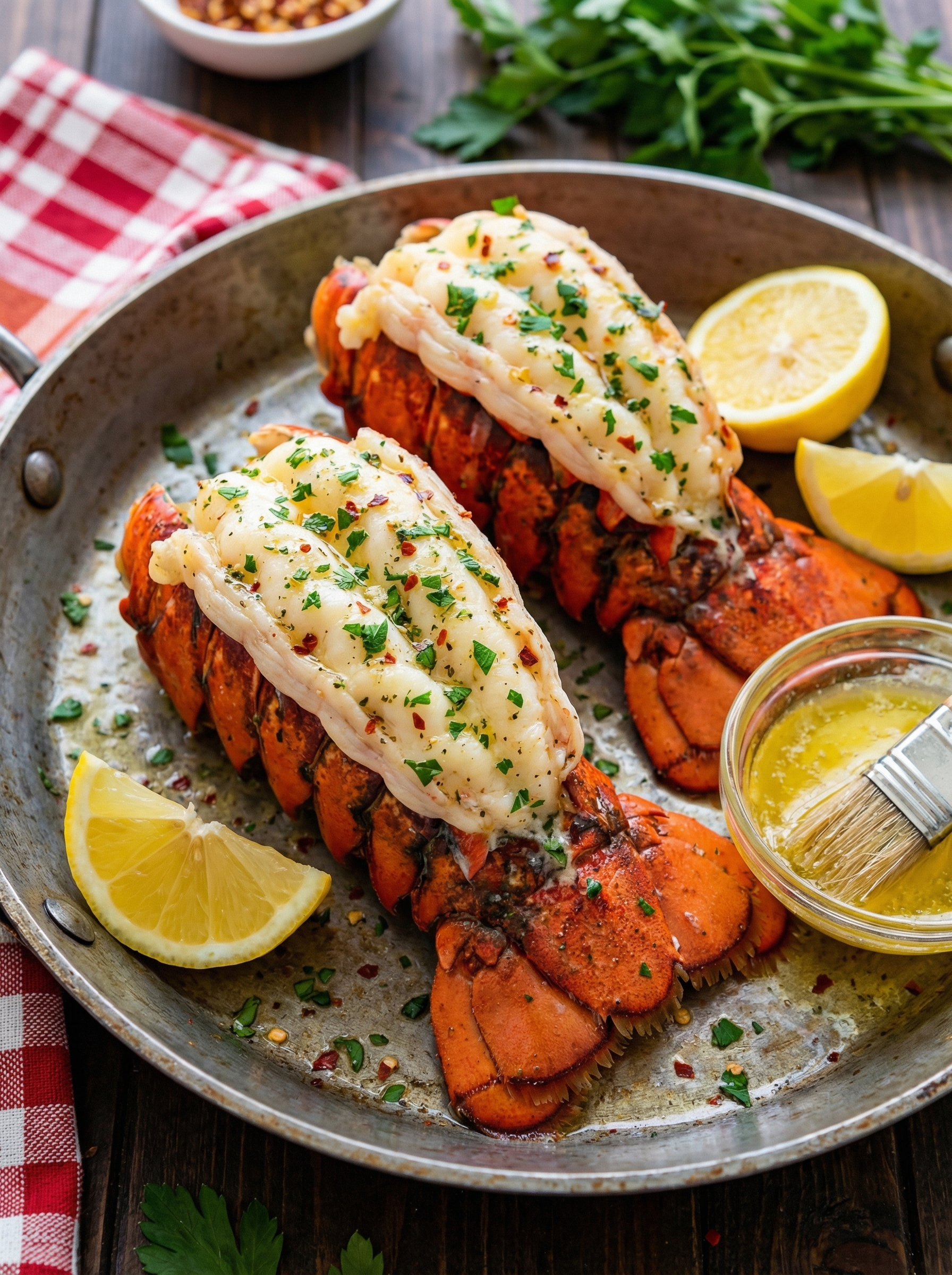
- Cutting Techniques for Lobster TailsThere are several ways to cut lobster tails before cooking, but butterflying is the most popular method. To butterfly a lobster tail, use kitchen shears to cut lengthwise through the center of the back shell, stopping just before the tail fin. Gently spread the shell open, and lift the meat out, resting it on top of the shell while still attached at the base. This not only makes for a striking presentation but also allows the meat to cook more evenly.
With your lobster tails properly thawed and prepared, you’re now ready to move on to the cooking phase. Whether you’re planning to boil, broil, bake, or grill, starting with well-prepared lobster tails is the key to a delicious and visually appealing dish. Stay tuned as we delve into the various cooking methods that will bring out the best in your lobster tails, ensuring a memorable dining experience.
Mastering the Cooking Techniques for Lobster Tails
Now that your lobster tails are prepped and ready, it’s time to explore the various cooking methods that will transform them into a delectable feast. Each technique offers a unique flavor and texture, allowing you to customize the dish to your taste preferences and the occasion at hand. Let’s dive into the most popular methods for cooking lobster tails, ensuring you achieve succulent and flavorful results every time.
Boiling Lobster Tails
Boiling is a straightforward method that guarantees tender, moist lobster meat. It’s especially great for beginners or those looking for simplicity.
- The Boiling ProcessFill a large pot with enough water to cover the lobster tails and bring it to a rolling boil. Add a tablespoon of salt for each quart of water to season the meat. Carefully place the lobster tails in the boiling water and let them cook until the shells turn bright red and the meat becomes opaque, usually about 1 minute per ounce of lobster tail. Once done, remove the tails with tongs and place them in ice water to stop the cooking process, ensuring the meat remains tender.
Broiling Lobster Tails
Broiling lobster tails creates a beautifully charred surface while keeping the interior succulent.
- How to Broil Lobster TailsPreheat your broiler and position the oven rack so that the lobster tails will be about 4-6 inches from the heat source. Place the prepared, butterflied lobster tails on a baking sheet, and brush them with melted butter. Broil for about 1 minute per ounce, watching closely to prevent burning. The tails are done when the shell is a vivid red, and the meat is lightly browned on top.
Baking Lobster Tails
Baking is a foolproof method that allows for more control over the cooking temperature, resulting in perfectly cooked lobster tails.
- Baking Your Lobster TailsPreheat your oven to 350°F (175°C). Arrange the lobster tails on a baking sheet, and brush each tail generously with melted butter. Season with salt, pepper, and any other desired spices. Bake for approximately 15 minutes, or until the meat is opaque and the shell is completely red. Baking times may vary based on the size of the lobster tails, so adjust accordingly.
Grilling Lobster Tails
Grilling adds a smoky flavor to the lobster, perfect for outdoor dining and summer barbecues.
- Grilling Techniques for Lobster TailsPreheat your grill to medium-high heat. Brush the lobster tails with melted butter and season as desired. Place the tails shell-side down on the grill and cook for about 5-7 minutes, flipping once halfway through. The tails are ready when the shell is bright red, and the meat is opaque.
Each of these cooking methods brings out the natural sweetness and tenderness of lobster tails, making them the star of any meal. Experiment with different techniques to find your favorite, or match the method to the occasion for an unforgettable culinary experience. Stay tuned for the next section, where we’ll cover some frequently asked questions to help you perfect your lobster tail dishes.
Pairing and Serving Suggestions for Lobster Tails
Now that you’ve mastered the art of cooking lobster tails, let’s elevate your culinary creation by exploring the perfect pairings and serving suggestions. A well-rounded meal not only showcases the lobster’s exquisite flavor but also turns a simple dish into an unforgettable dining experience. Here are some ideas to complement your lobster tails, ensuring each bite is a celebration of taste and elegance.
Crafting the Perfect Plate
- Choosing the Right SidesThe rich, sweet flavor of lobster tails pairs beautifully with a variety of sides. Opt for light, refreshing options like a crisp green salad or steamed asparagus to balance the richness. For something heartier, consider garlic mashed potatoes or a wild rice pilaf that can absorb the lobster’s buttery juices. Here are some ideas to complement your lobster tails, ensuring each bite is a celebration of taste and elegance.
- The Art of SauceWhile lobster tails are delicious with a simple drizzle of melted butter, exploring different sauces can add depth and complexity. A citrus-infused beurre blanc or a creamy garlic sauce can elevate the lobster without overpowering its natural flavors.
Wine and Beverage Pairings
- Selecting the Perfect WineThe right wine can enhance the lobster’s delicate flavors. A crisp, minerally white wine like Chablis or a light-bodied Chardonnay complements the sweetness of the lobster. For those who prefer red, choose a light Pinot Noir with low tannins to harmonize with the dish’s flavors.
- Non-Alcoholic AlternativesFor a non-alcoholic option, consider sparkling water with a twist of lemon or lime to cleanse the palate. Herbal teas, such as chamomile or green tea, can also offer a soothing accompaniment that respects the lobster’s subtlety.
Presentation Tips for an Elegant Touch
- Plating Your Lobster TailsThe presentation of your lobster tails can turn a meal into an event. Arrange the lobster on a warm plate with sides neatly positioned for both aesthetic appeal and ease of eating. Garnish with fresh herbs or lemon wedges for a pop of color and a hint of freshness.
- Setting the TableCreate an inviting dining atmosphere with simple yet elegant table settings. Use fine china or plates that complement the dish’s colors, and consider soft lighting or candles to enhance the dining experience.
The Final Flourish
Remember, the ultimate goal is to enjoy the process and the meal. Whether you’re celebrating a special occasion or simply treating yourself, cooking and serving lobster tails is a testament to the joy of fine dining at home. With these pairing and serving suggestions, you’re not just preparing a meal; you’re crafting an experience that will linger in memory long after the last bite.
Stay curious, keep experimenting with flavors and presentations, and most importantly, share the delight of your culinary creations with loved ones. Here’s to your success in the kitchen and the many delicious adventures that await!
FAQs on Cooking Lobster Tails
Cooking lobster tails can raise quite a few questions, especially if it’s your first time preparing them. To help you navigate through this culinary journey with ease, we’ve compiled a list of frequently asked questions that cover everything from choosing the right lobster tails to perfecting your cooking technique.
Choosing and Storing Lobster Tails
- Can I cook lobster tails if they’re still a bit frozen?For the best texture and flavor, it’s important to fully thaw your lobster tails before cooking. Partially frozen tails can lead to uneven cooking and a less desirable texture.
- How long can I keep lobster tails in the fridge before cooking?Thawed lobster tails should be cooked within 1-2 days for optimal freshness and safety. Keep them in the coldest part of your refrigerator until you’re ready to cook.
Preparing Lobster Tails
- Do I need to remove the vein from lobster tails?Yes, removing the vein (or digestive tract) from the lobster tail ensures a cleaner taste and presentation. This can be done easily during the preparation phase.
- What’s the best way to butterfly lobster tails?Using kitchen shears, cut through the top shell down the center to the tail fin, being careful not to cut through the meat. Then, spread the shell open and gently lift the meat to rest on top of the shell.
Cooking Lobster Tails
- How do I know when my lobster tails are perfectly cooked?Lobster tails are done when the shell turns bright red, and the meat is opaque and slightly firm to the touch. Overcooking can result in tough meat, so it’s crucial to follow recommended cooking times.
- Can I cook lobster tails in the microwave?While it’s possible, microwaving is not recommended as it can lead to rubbery, unevenly cooked meat. For the best results, stick to boiling, broiling, baking, or grilling.
Serving Lobster Tails
- What are some good sides to serve with lobster tails?Light, refreshing sides like a crisp salad, steamed vegetables, or a simple pasta dish complement the richness of lobster tails without overpowering their delicate flavor.
- Can I reheat cooked lobster tails?Yes, but do so gently to avoid overcooking. Reheating in a low oven or steaming briefly are the best methods to preserve the lobster’s texture and moisture.
Cooking lobster tails doesn’t have to be intimidating. With these FAQs in your culinary toolkit, you’re well on your way to serving up a seafood feast that’s sure to impress. Remember, the key to perfect lobster tails is patience and attention to detail, from preparation to presentation. Stay tuned for our concluding thoughts, where we’ll wrap up with some final tips and encouragement for your lobster tail cooking adventures.
Conclusion and Final Tips for Cooking Lobster Tails
Congratulations! You’re now equipped with the knowledge and techniques to cook lobster tails like a pro. Whether you’re planning a special dinner or simply want to indulge in a luxurious meal, lobster tails offer a versatile and delicious option that’s sure to impress. Before you set off on your culinary adventure, let’s recap some key points and share final tips to ensure your lobster tails are nothing short of spectacular.
Embracing the Art of Lobster Tail Cooking
Cooking lobster tails is an art that combines technique with simplicity. Remember, the quality of your ingredients and the care you put into preparation and cooking will shine through in the final dish. Lobster tails are a delicacy that deserves your attention and respect in the kitchen.
Final Tips for Success
- Quality Matters: Always start with high-quality lobster tails. Fresh or properly thawed frozen tails can make a significant difference in taste and texture.
- Don’t Rush the Thawing Process: Allow frozen lobster tails to thaw gradually in the refrigerator. Rushing this process can affect the meat’s quality.
- Keep an Eye on the Clock: Overcooking is the most common mistake when preparing lobster tails. Follow recommended cooking times closely and use visual cues like shell color and meat opacity to judge doneness.
- Experiment with Flavors: While lobster tails are fantastic with just a bit of butter and lemon, don’t be afraid to experiment with herbs, spices, and marinades to find your favorite flavor combination.
- Presentation Counts: Taking the time to butterfly lobster tails or arrange them attractively on the plate can turn a simple meal into a feast for the eyes.
The Joy of Sharing
Cooking is about more than just feeding the body; it’s about nourishing the soul and sharing joy with those around you. Lobster tails, with their luxurious appeal and delicious taste, are a perfect way to bring people together and create lasting memories.
Keep Exploring
The world of culinary arts is vast and full of wonders. Today, lobster tails; tomorrow, who knows? Keep exploring, learning, and challenging yourself in the kitchen. Every dish is an opportunity to express creativity, share love, and enjoy the rich tapestry of flavors that cooking brings into our lives.
Thank you for joining us on this journey through the art of cooking lobster tails. We hope this guide inspires you to tackle this culinary challenge with confidence and excitement. Here’s to many more delicious adventures ahead. Bon appétit!