
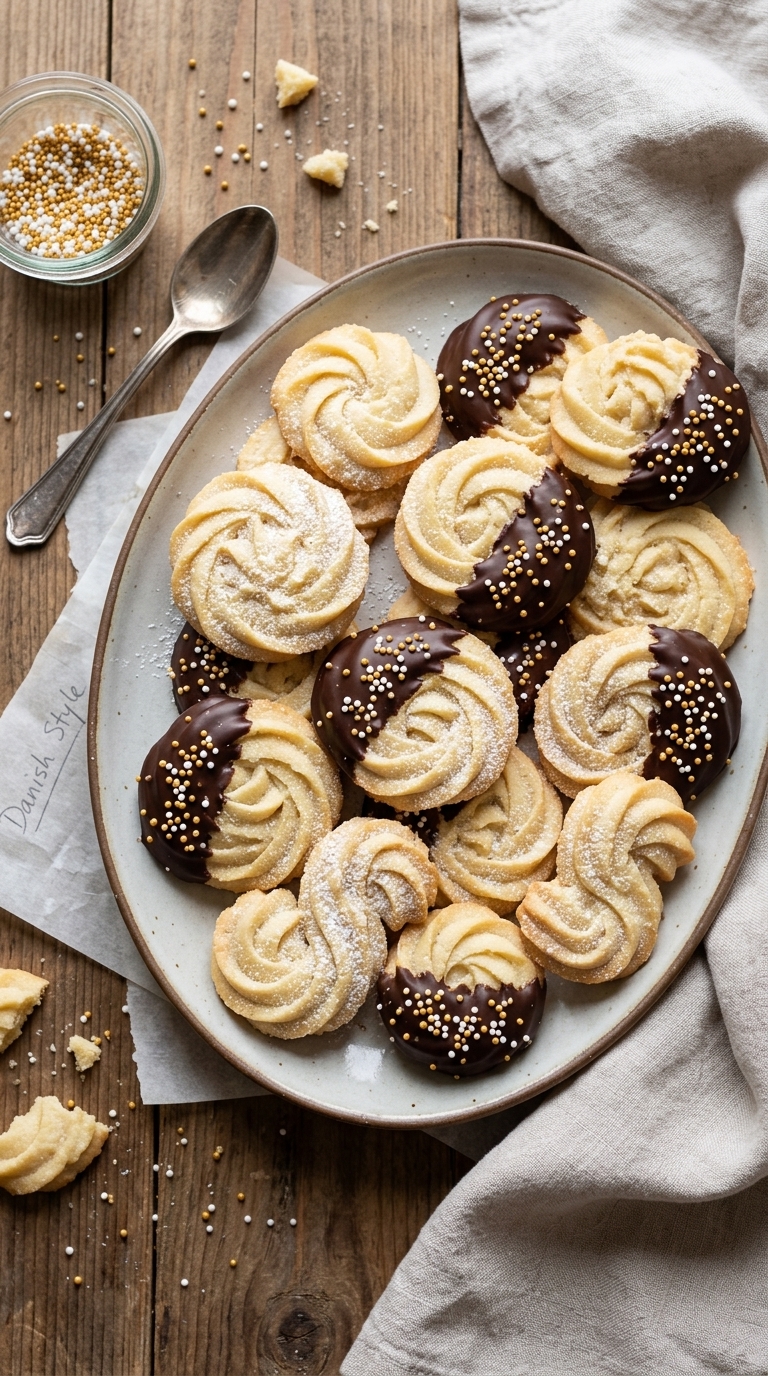
This best piped butter cookies recipe makes Danish-style swirls that melt in your mouth with crisp edges and rich buttery taste. It all started at a neighborhood cookie exchange. I brought four tins of these simple piped rosettes, thinking they were just nice. Forty-five minutes later the tins were empty, people were chasing me to the car for the recipe, and one neighbor joked she’d trade babysitting time for more. I left with zero cookies and a new nickname: “the butter cookie girl.”
These are not ordinary cookies. They are golden-edged, tender-centered piped swirls with deep ridges from the right tip, made with just six ingredients: butter, sugar, egg yolk, vanilla, salt, and flour. No chilling, no rolling pin, no complicated steps—just beat, pipe, and bake. The dough pipes smoothly straight from the mixer, and the Ateco 827 tip (or a large open-star tip) gives those classic bakery ridges that hold shape and look pretty. Bake 9–11 minutes until edges turn light golden, and they come out crisp outside, soft inside, with pure butter flavor in every bite.
They are simple to make but look fancy enough for holidays, gift tins, or cookie swaps. Add chocolate dip or sprinkles for extra fun, or keep them plain for classic taste. The recipe takes 35 minutes total—25 minutes to mix and pipe, 10 minutes to bake. They are rich, buttery, and addictive, the kind of cookie people remember and ask for again.
Ready to bake the cookies that make you the most popular person at every gathering? Grab your piping bag and Ateco 827 tip (or similar large open-star), let’s make some legends. One batch, and you’ll see why these become everyone’s favorite.
PrintPiped Butter Cookies – Danish Style
Golden-edged, melt-in-your-mouth piped swirls with crisp ridges and soft centers—rich buttery taste in 35 minutes!
- Prep Time: 25 minutes
- Cook Time: 10 minutes
- Total Time: 35 minutes
- Yield: 26 cookies 1x
- Category: Dessert
- Method: Baked
- Cuisine: American
Ingredients
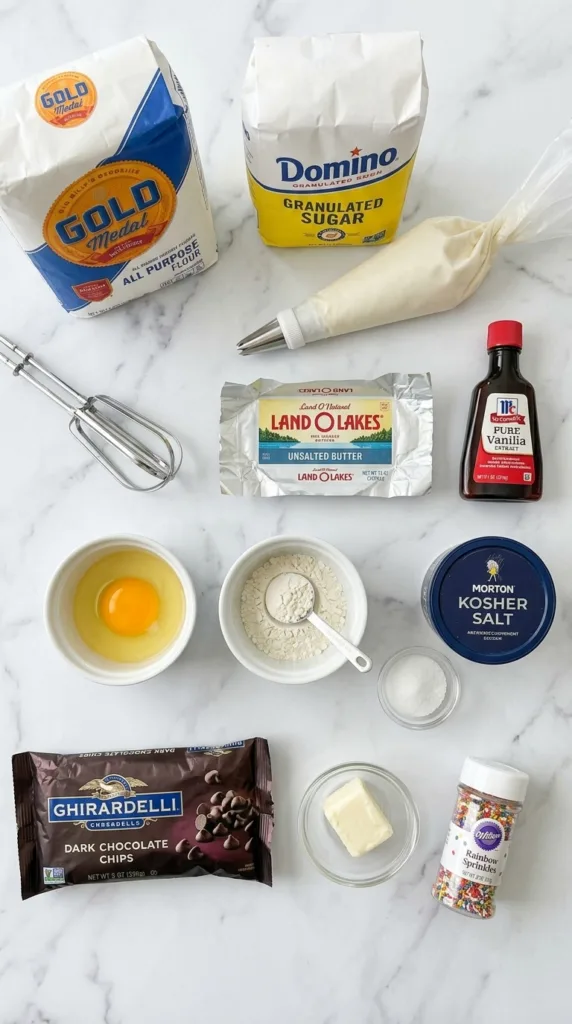
- 1 cup (226g) unsalted butter, softened
- ¾ cup (150g) granulated sugar
- 1 large egg yolk, room temperature
- 2 teaspoons pure vanilla extract
- ¼ teaspoon salt
- 2 cups + 2 Tbsp (265g) all-purpose flour
Optional Chocolate Dip
- 1 cup (170g) dark chocolate chips
- ½ tsp vegetable shortening
- Sprinkles
Instructions
- Preheat oven to 375°F (190°C). Line baking sheets with parchment or silicone mats.
- Beat butter and sugar 3 minutes until fluffy.
- Add egg yolk, vanilla, salt; beat until combined.
- On low speed, add flour gradually until just combined.
- Fit piping bag with Ateco 827 tip (or large open-star), fill halfway, pipe rosettes or S-shapes onto sheets.
- Bake 9–11 minutes until edges are light golden.
- Cool 5 minutes on sheet, then move to rack.
- Optional: Melt chocolate + shortening, dip half of cooled cookies, add sprinkles.
Notes
- Ateco 827 tip gives perfect ridges.
- No chilling required!
- Freeze dough in piping bag up to 3 months.
- Gluten-free: Use 1:1 blend like King Arthur.
Nutrition
- Serving Size: 1 cookie
- Calories: 146kcal
- Sugar: 8g
- Fat: 9g
- Carbohydrates: 16g
- Protein: 1g
Why You’ll Love These Piped Butter Cookies
These piped butter cookies have become a favorite because they bring rich taste and pretty look with little work. Here are the main reasons they stand out:
- Crisp edges + melt-in-your-mouth centers — The perfect texture combo that makes every bite special.
- No chilling required — Dough pipes straight from the mixer; no waiting in the fridge.
- Only 6 ingredients — Butter, sugar, egg yolk, vanilla, salt, flour. Simple and pure.
- Bakery-perfect swirls at home — Ateco 827 tip gives deep ridges and professional look with no skill needed.
- Holiday-pretty but everyday easy — Fancy enough for gifts or parties, simple enough for any day.
- Customizable — Dip in chocolate, add sprinkles, or flavor with almond/lemon—make them your own.
- Make-ahead & freezer-friendly — Dough freezes in piping bag up to 3 months; baked cookies stay fresh for weeks.
- Ruins other cookies — Once people taste these, regular butter cookies feel plain.
I’ve tried chilled dough, different tips, and many butter cookie recipes—this one wins for taste, texture, and how easy it is. One batch, and people start asking for more. Make double; the tins empty fast.
Ingredients for Piped Butter Cookies
These piped butter cookies get their rich, melt-in-your-mouth texture and classic Danish bakery look from a short list of basic ingredients that let butter and vanilla shine. No fancy add-ins or long prep—just high-quality butter, sugar, and a few staples that work together for crisp edges, soft centers, and perfect piping. The butter is the main flavor, sugar adds sweetness and structure, and the rest keeps everything simple and balanced.
Key Ingredients Overview
Unsalted butter is the heart of the recipe—softened to room temperature, it beats light and fluffy with sugar to create that tender, melt-in-your-mouth feel and rich taste in every bite. Granulated sugar adds sweetness and helps the cookies brown at the edges during baking, while also giving structure so the piped shapes hold their ridges.
A single large egg yolk brings extra richness and tenderness without making the dough too wet or cakey—whole eggs would add moisture that causes spreading. Pure vanilla extract gives warm, classic flavor that pairs perfectly with butter. Salt sharpens the taste and balances sweetness so the cookies don’t feel flat. All-purpose flour provides the right structure for piping—enough to hold shape through the bag and tip without making the dough stiff or dry. The combination beats into a smooth, pipeable dough that holds deep ridges from the star tip and bakes into golden, buttery cookies with crisp edges and soft centers.
Ingredient Notes & Substitutions
- Gluten-free — Use a 1:1 gluten-free flour blend like King Arthur Measure for Measure—same amount as regular flour. Results stay close to original with good texture.
- Flavor twists — Swap vanilla for ½ tsp almond extract for marzipan notes, or add 1 tsp lemon zest for fresh citrus lift. Keep amounts small—butter stays the star.
- Chocolate dip — Melt dark, milk, or white chocolate chips with ½ tsp vegetable shortening for smooth dipping. Dip cooled cookies halfway and add sprinkles.
- No egg yolk — If avoiding egg yolk, texture changes (less tender)—not recommended for classic melt-in-mouth feel.
- Vegan — Use plant-based butter and an egg replacer (e.g., 1 Tbsp ground flax + 3 Tbsp water). Dough pipes differently and cookies may spread more
Recipe Success Tips
These tips cover the small fixes and smart moves that help you get perfect piped butter cookies every time.
- If dough feels too soft to pipe — Place the piping bag in the fridge for 10 minutes. The dough firms up just enough for clean ridges without getting too stiff.
- Prevent spreading or flat cookies — If your kitchen is warm, chill the piped dough on the sheet for 5–10 minutes before baking. This helps shapes hold during the first few minutes in the oven.
- Make-ahead dough — Pipe cookies directly onto parchment-lined sheets, then freeze flat (uncovered) for up to 3 months. Bake from frozen—add 1–2 minutes to time. Dough in piping bag freezes well too; thaw in fridge overnight.
- Crisp revival on reheating — Reheat baked cookies in a 300°F (150°C) oven for 3–5 minutes. They regain crisp edges and fresh taste—microwave makes them soft.
- Piping bag fix — Fill bag only halfway to avoid mess and give better control. Twist top tightly and use both hands—one guides, one squeezes—for even pressure and neat shapes.
- Avoid cracked or uneven ridges — Beat dough just until combined—overmixing makes it tough and hard to pipe. Let dough sit 5 minutes if too stiff from cold butter.
- Flavor boost — For extra taste, add ½ tsp almond extract, lemon zest, or 1 tsp espresso powder with the vanilla. Keep amounts small—butter flavor stays the star.
These small adjustments make cookies crispier, prettier, and more reliable—no cracked shapes or wasted dough.
Step-by-Step Instructions with Photos
These piped butter cookies are quick to make: beat for light texture, pipe for classic ridges, and bake for golden edges. The dough pipes smoothly at room temperature, the Ateco 827 tip gives deep swirls, and high heat browns the edges while keeping centers soft. Prep ingredients, fit piping bag, and line sheets first—everything moves fast.
Beat Butter & Sugar
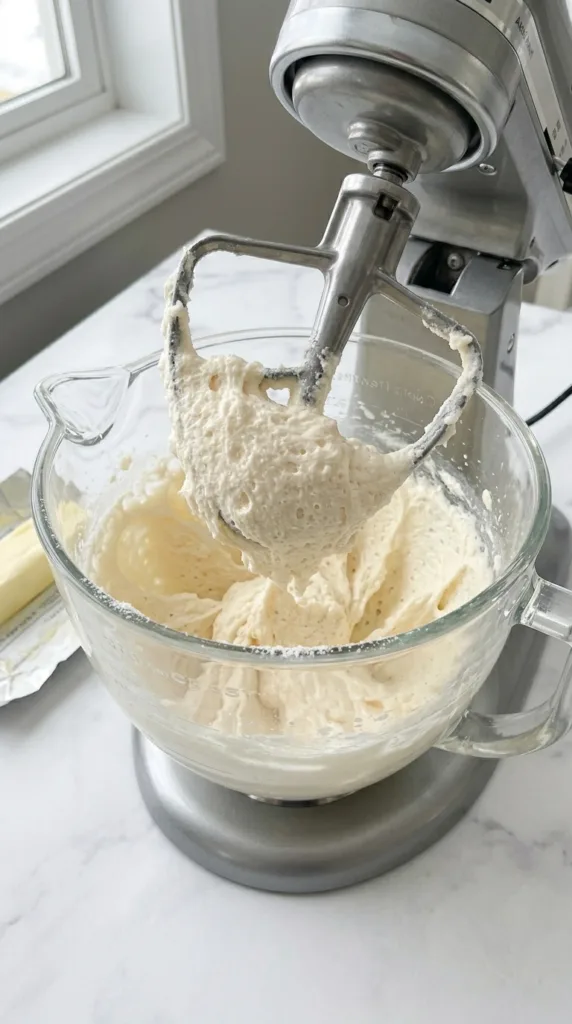
In a stand mixer or with electric hand mixer, beat softened unsalted butter and granulated sugar on medium speed for 3 minutes until light and fluffy. The long beating incorporates air for tender, melt-in-your-mouth texture and helps cookies hold piped shape.
Add Egg Yolk & Flavorings
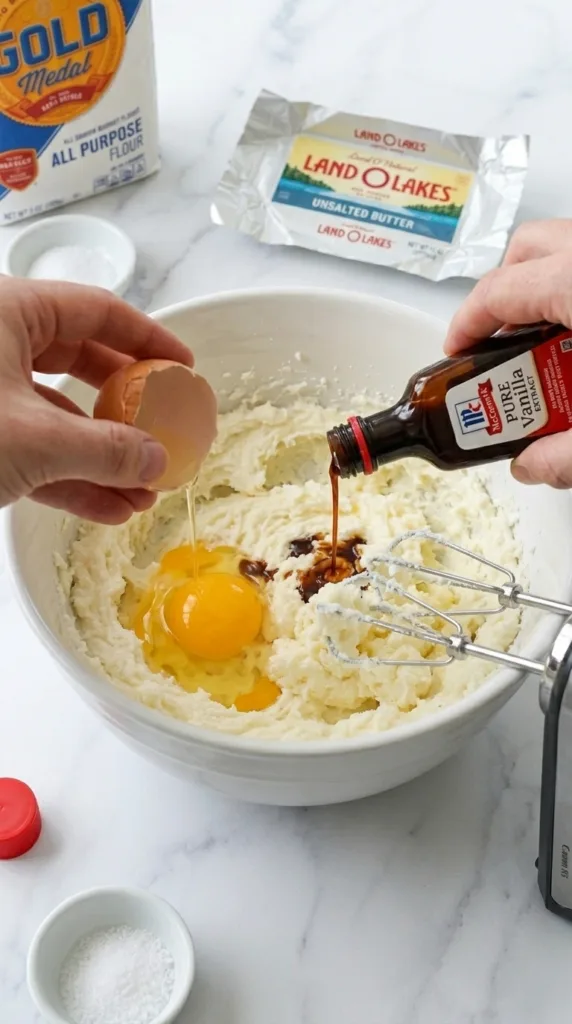
Add egg yolk, vanilla extract, and salt. Beat on medium until fully combined, about 1 minute. The yolk adds richness and tenderness, vanilla brings warm flavor, and salt balances sweetness so cookies taste bright and buttery.
Mix in Flour
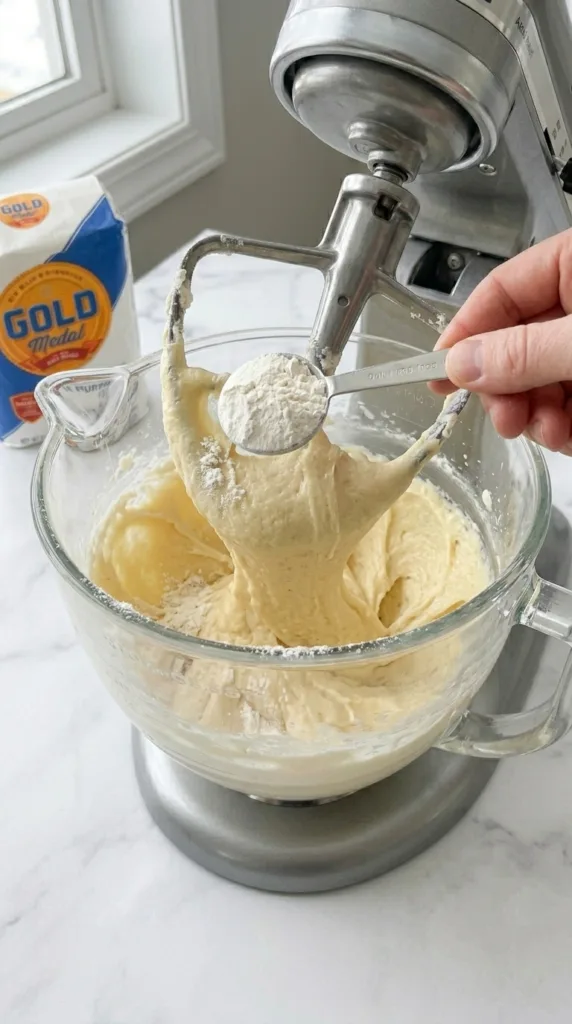
On low speed, add all-purpose flour gradually until just combined—do not overmix. The dough should be smooth and pipeable. Overmixing makes it tough and hard to pipe; stop when no dry flour remains.
Pipe the Cookies
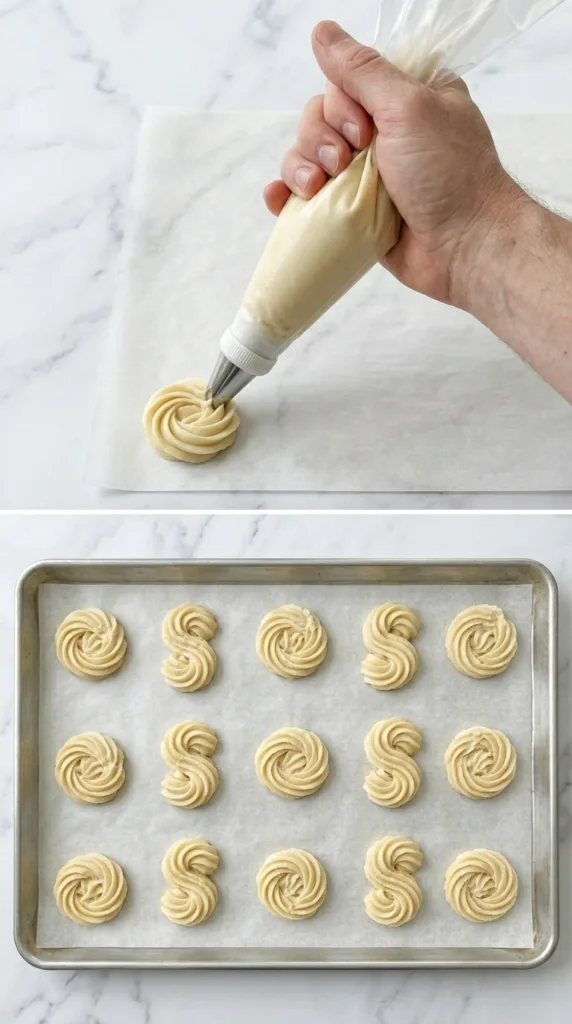
Fit a large piping bag (16–18 inch) with Ateco 827 open-star tip (or large open-star like Wilton 1M). Fill bag halfway with dough—twist top tightly. Pipe rosettes, S-shapes, or circles on parchment-lined baking sheets, spacing 1–2 inches apart. The large tip gives deep ridges that hold shape and look bakery-perfect.
Bake & Cool
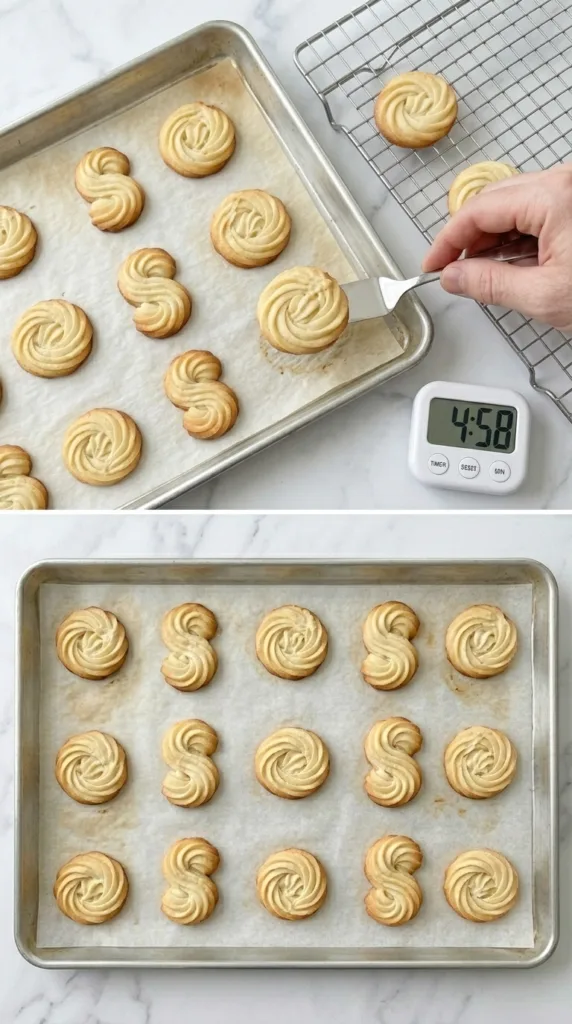
Bake at 375°F (190°C) for 9–11 minutes until edges turn light golden. Do not overbake—centers stay soft. Cool on sheet 5 minutes (they firm up), then move to cooling rack. The high heat browns edges for crisp contrast while keeping inside tender.
Optional Chocolate Dip
Melt dark chocolate chips with vegetable shortening until smooth. Dip half of cooled cookies, then add sprinkles if desired. Let set on parchment. The dip adds contrast and makes them gift-ready.
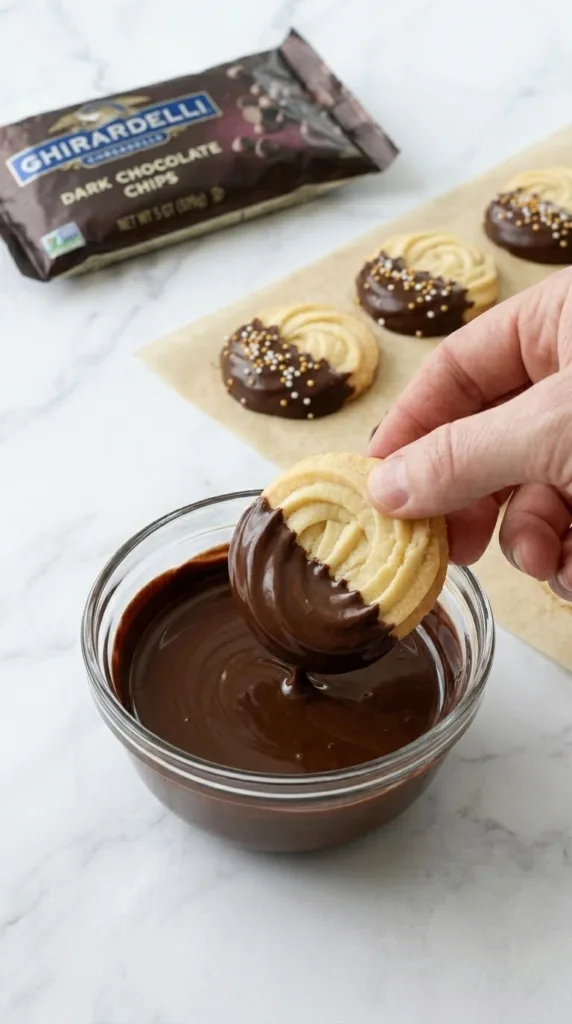
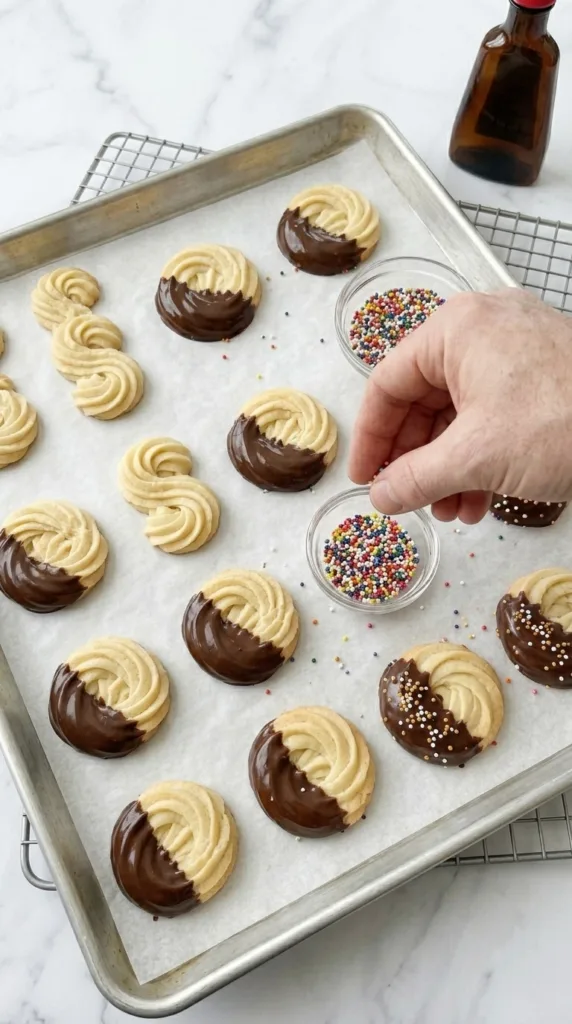
Serve at room temperature—the butter flavor peaks after cooling, and ridges stay crisp. Enjoy plain or dipped—they disappear fast.
Flavor Variations
These piped butter cookies are rich and buttery on their own, but these small changes let you switch up the taste or look to fit different occasions or moods—while keeping the same easy dough and piping method.
- Chocolate Version — educe flour by 2 Tbsp and add 2 Tbsp unsweetened cocoa powder to the dough. Pipe as usual—the cookies bake with deep chocolate flavor. Dip cooled ones in melted chocolate for extra richness.
- Citrus Twist — Add 1 tsp lemon zest or orange zest to the dough with the vanilla. The fresh citrus brightens the butter taste without changing texture—great for spring or summer trays.
- Almond Flavor — Swap vanilla for ½ tsp almond extract. Add sliced almonds on top before baking for crunch and a marzipan-like note.
- Dipped & Sprinkled — Melt dark, milk, or white chocolate with ½ tsp shortening. Dip cooled cookies halfway, then add sprinkles, chopped nuts, or crushed candy canes. Let set on parchment—perfect for holidays or gifts.
- Espresso Kick — Add 1 tsp instant espresso powder to the dough with the flour. It gives a subtle coffee note that pairs well with butter and chocolate dip.
These keep the 35-minute time and melt-in-your-mouth texture while making the cookies feel new for different events or tastes.
Serving Suggestions
These piped butter cookies are rich and buttery, so they pair well with simple drinks and light touches. Here are some of the best ways to serve them:
- With coffee or tea — The classic match; black coffee, espresso, or herbal tea cuts through the richness and highlights the vanilla and butter notes.
- On a cookie platter — Arrange in a tin or on a tray with other cookies for holiday parties, cookie exchanges, or gifts. They look pretty with their swirled shapes.
- Chocolate-dipped — Dip half of cooled cookies in melted chocolate and add sprinkles—great for dessert trays or as a sweet treat after dinner.
- With fruit — Serve alongside fresh berries or sliced apples for a light contrast. The tart fruit balances the sweet buttery cookie.
- As a gift — Stack in clear cellophane bags, vintage tins, or mini bakery boxes with ribbon. Add a handwritten tag for personal touch.
- With ice cream — Crumble a few cookies over vanilla or coffee ice cream for quick dessert crunch.
Serve at room temperature—the flavor and texture peak after cooling. They stay crisp in an airtight container and taste even better on day two or three.
Storage and Freezing Instructions
These piped butter cookies stay fresh and crisp for a long time if stored right. Keep them in an airtight container at room temperature for up to 2 weeks. They actually taste better after a day or two—the flavors settle and the texture stays perfect. Layer with parchment paper between cookies to prevent sticking.
For freezing:
- Baked cookies — Cool completely, then freeze in airtight containers or freezer bags for up to 3 months. Thaw at room temperature—they keep their crisp edges and buttery taste.
- Dough — Pipe cookies onto parchment-lined sheets, freeze uncovered until solid (about 1 hour), then transfer to freezer bags for up to 3 months. Bake from frozen—add 1–2 minutes to time.
Food safety note: Cool completely before storing to avoid condensation and sogginess. Store away from strong odors, and reheat briefly in a 300°F oven (3–5 minutes) if crispness fades.
FAQ About Piped Butter Cookies
Why is egg yolk used instead of a whole egg?
The egg yolk adds richness and tenderness for that classic melt-in-your-mouth feel. A whole egg brings too much moisture, which can cause spreading or a cakier texture. Yolk-only keeps the cookies buttery, delicate, and perfect for piping shapes.
A large open-star tip like Ateco 827 is the best choice. It gives deep ridges for that Danish bakery look and makes piping easier. Smaller tips make the dough hard to push through; larger ones give clean swirls. Wilton 1M works as a close alternative.
Yes—swap vanilla for ½ tsp almond extract for a marzipan taste, or add 1 tsp lemon zest or orange zest for citrus notes. For chocolate, reduce flour by 2 Tbsp and add 2 Tbsp cocoa powder. Keep changes small—butter flavor stays the main star.
Store in an airtight container at room temperature for up to 2 weeks. They taste even better after a day or two. Layer with parchment to avoid sticking. For longer storage, freeze baked cookies or piped dough up to 3 months—thaw at room temperature.
Why no chilling required?
The high butter-to-flour ratio and egg yolk make the dough pipeable right after mixing when at room temperature. Chilling can make it too firm to pipe smoothly. If dough feels soft in a warm kitchen, chill the filled bag 10 minutes.
If shapes flatten, chill piped cookies on the sheet for 5–10 minutes before baking. This helps them hold ridges. Also, make sure dough isn’t too warm—room temperature is ideal for piping.
Use a 1:1 gluten-free flour blend like King Arthur Measure for Measure—same amount as regular flour. The texture stays close to original. Check other ingredients (vanilla, etc.) for gluten-free labels.
Why do the edges turn golden but centers stay soft?
The high butter and sugar content browns the edges quickly in the oven, while the yolk and low flour keep centers tender. Bake 9–11 minutes—pull them when edges are light golden to avoid overbaking.
Final Thoughts
These piped butter cookies are pure buttery joy—crisp edges, soft centers, and that classic Danish swirl look. Six ingredients, no chilling, and results that feel bakery-fresh.
Make them soon—for a cookie exchange, holiday gifts, or just because. Pipe, bake, and watch them disappear. When you do, snap a photo of your golden tray and tag @savorgastronomy—I’m ready for your “these are gone already” stories!